
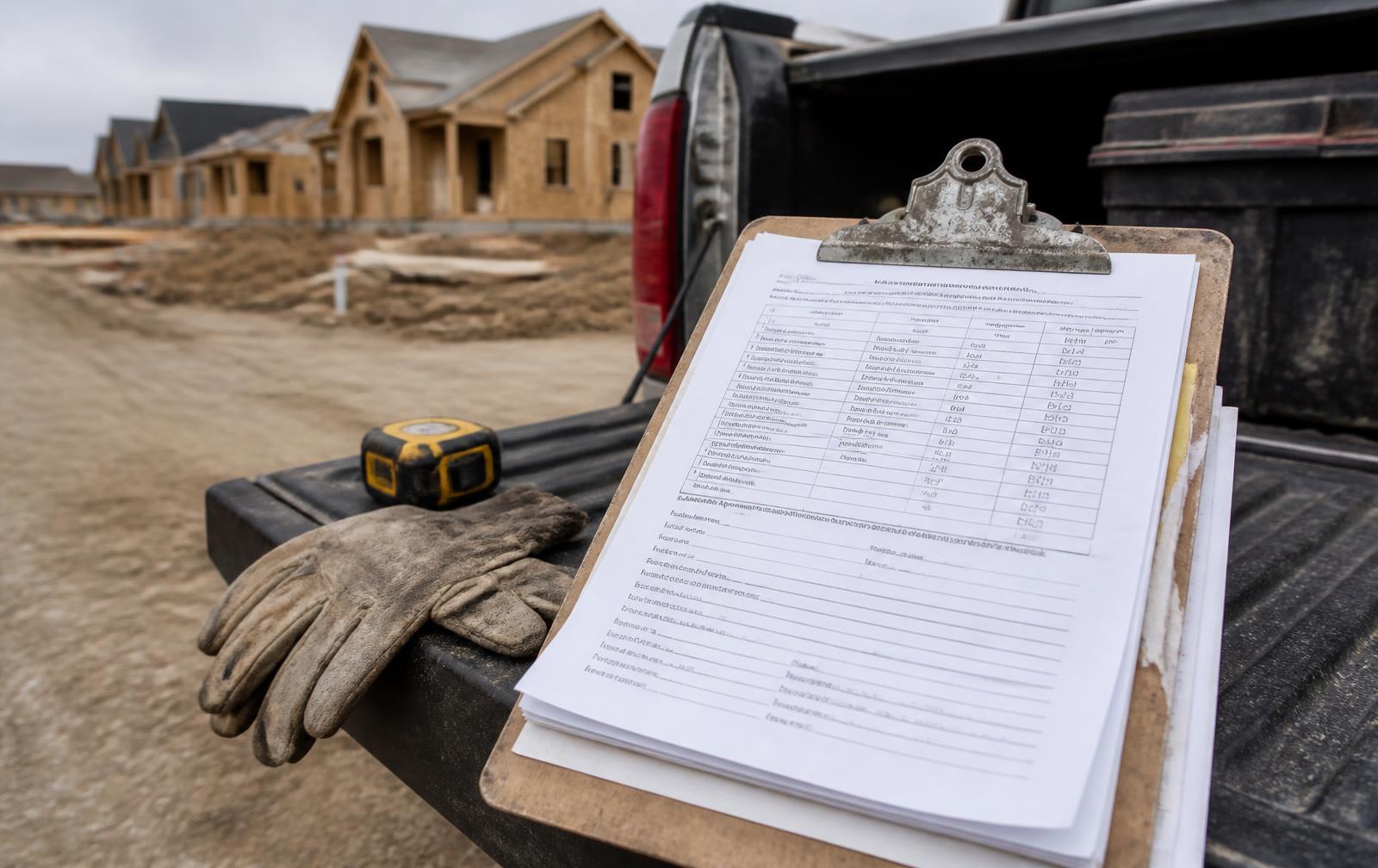
Contract requirements
What Homebuilders Require From Subcontractors
Builders reject certificates when the policy behind them falls short. How to read an insurance requirement schedule and fix what it flags.
9 minutes read
A specialty practice of Insurance Office of America, working with electrical, plumbing, HVAC, roofing, carpentry, sitework, and general contracting firms in all 50 states. We start with a coverage review, not a quote.
Coverage gaps
A policy that fit when you ran two trucks and a helper starts leaking coverage the moment you add crews, take on larger contracts, or begin subcontracting work out. The gaps rarely announce themselves.
They surface at an audit, at a renewal, or in the middle of a claim, which is the worst of the three.
Your workers compensation class codes and general liability payroll splits drive most of what you pay. Codes assigned quickly at the outset and never revisited cost real money in both directions, and a premium audit is an expensive place to find out.
Additional insured status, primary and non-contributory wording, waiver of subrogation, per-project aggregate. You signed for them. Whether your policy actually delivers them is a separate question, and the answer tends to arrive at the worst possible moment.
General liability does not cover the compressor taken out of your trailer overnight, or the material staged on a job waiting to be installed. Those need their own forms, and on growing contractors they are frequently missing, underscheduled, or written on limits set three years ago.
Employees running to the supply house in personal trucks create an exposure your commercial auto policy does not automatically pick up. Hired and non-owned auto coverage is inexpensive and routinely absent.
Construction claims arrive long after the crew drove away. What responds is generally the policy that was in force when the work was performed, which means a lapse, a carrier change, or a limit that made sense years ago can all become today's problem.
Every dollar paid to an uninsured subcontractor can come back as your payroll at audit, and their work can come back as your liability at claim. Certificate collection is not paperwork. It is risk transfer, and it either works or it does not.
Trades
Every trade carries its own exposures, its own classification issues, and its own carrier appetite. A roofer and a plumber have almost nothing in common from an underwriting standpoint. These are the trades we know well enough to be useful.
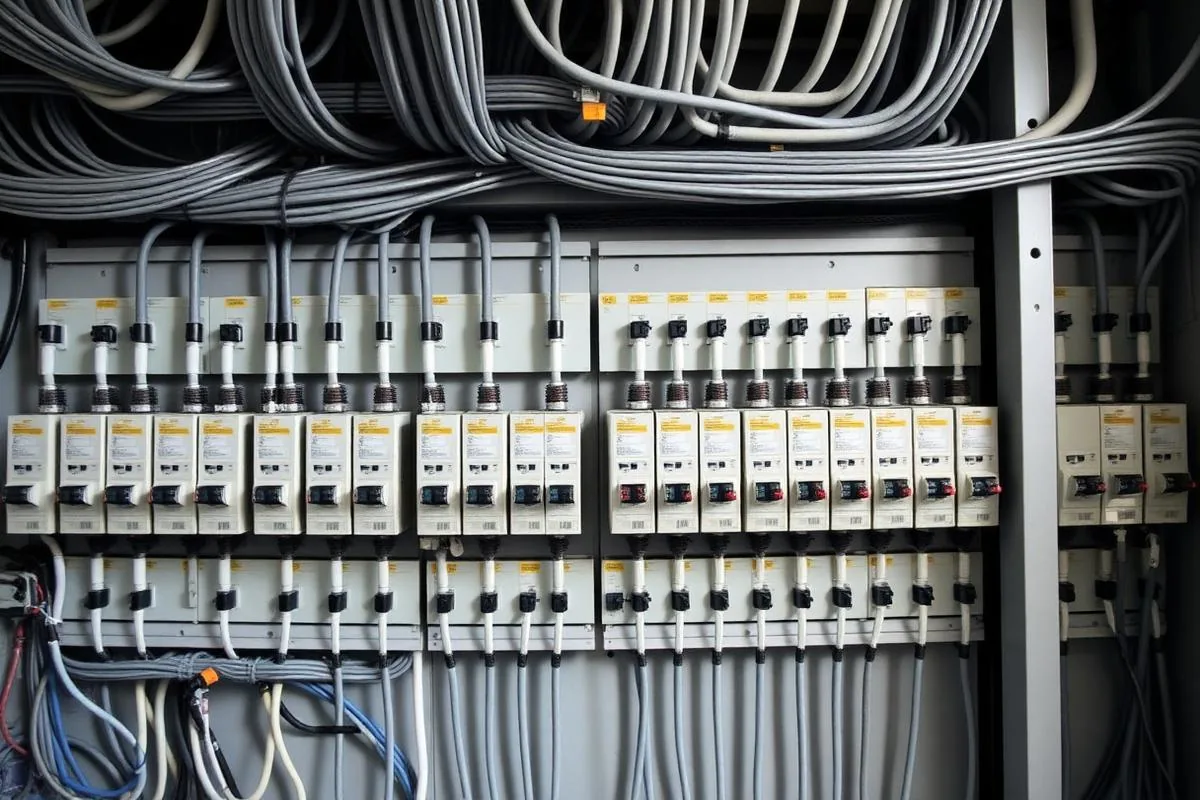
Arc flash and fire origin claims, service upgrades on older construction, energized work, and the design exposure that comes with doing your own engineering.

Water damage severity, hot work, backflow and cross-connection, and the appetite difference between service work and new construction.
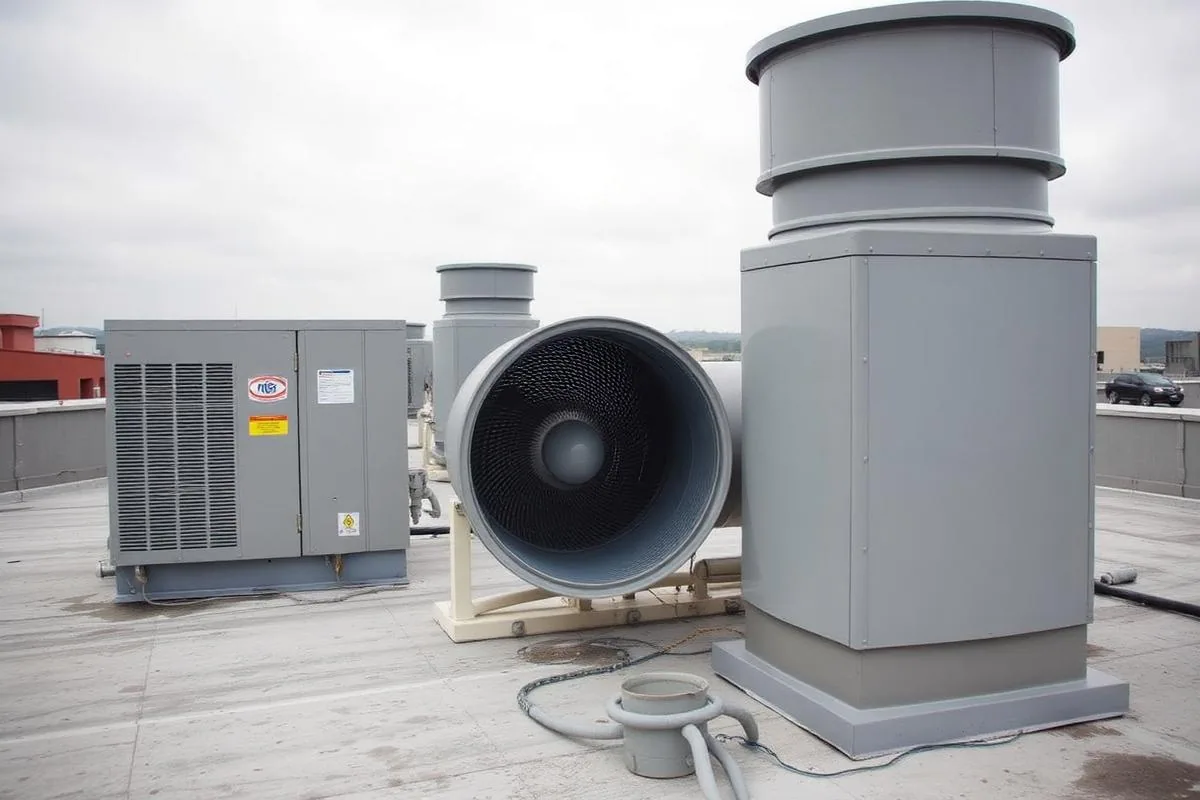
Refrigerant and pollution exposure, rooftop and rigging work, and service agreements that quietly assume liability.
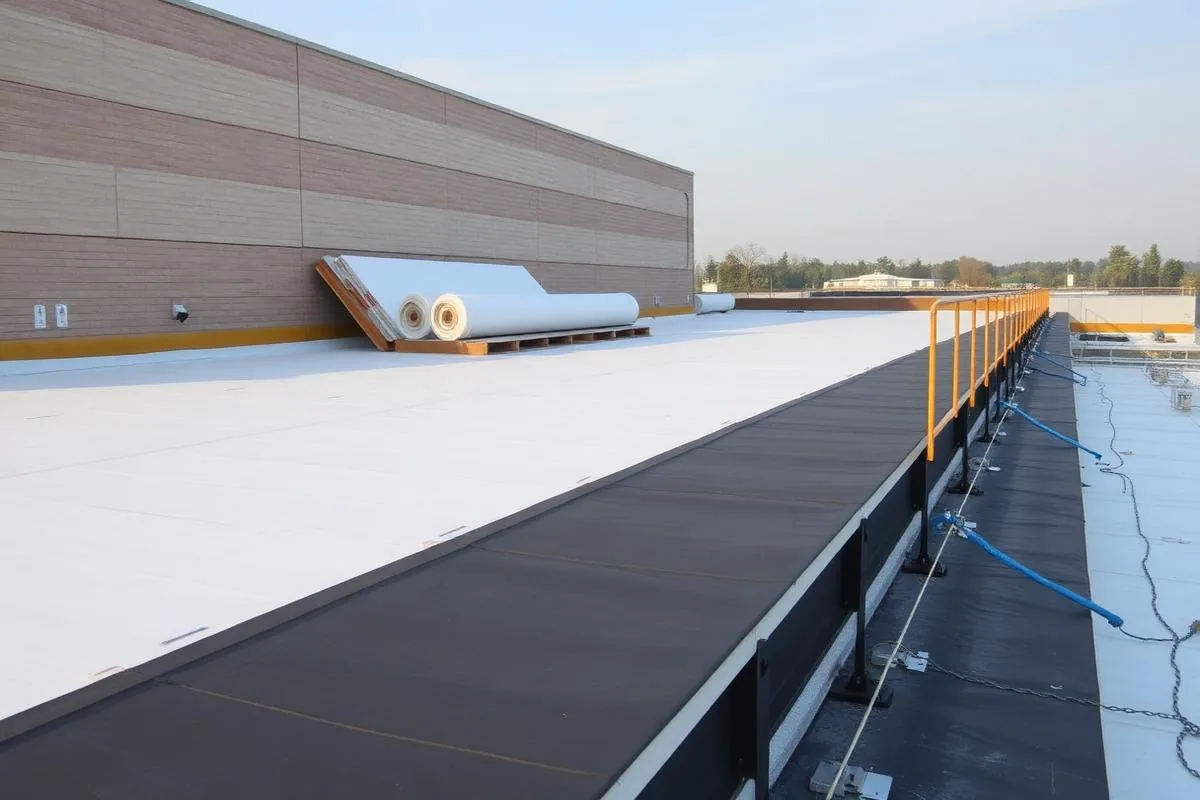
The hardest market of the group. Open roof exposure, fall severity, subcontracted crews, and carrier screening that starts before you ask.

Subcontractor default, risk transfer language that has to hold up, per-project aggregate, and the certificate tracking problem.

The framing and finish classification split, tract work as a subcontractor, and moisture damage before dry-in.
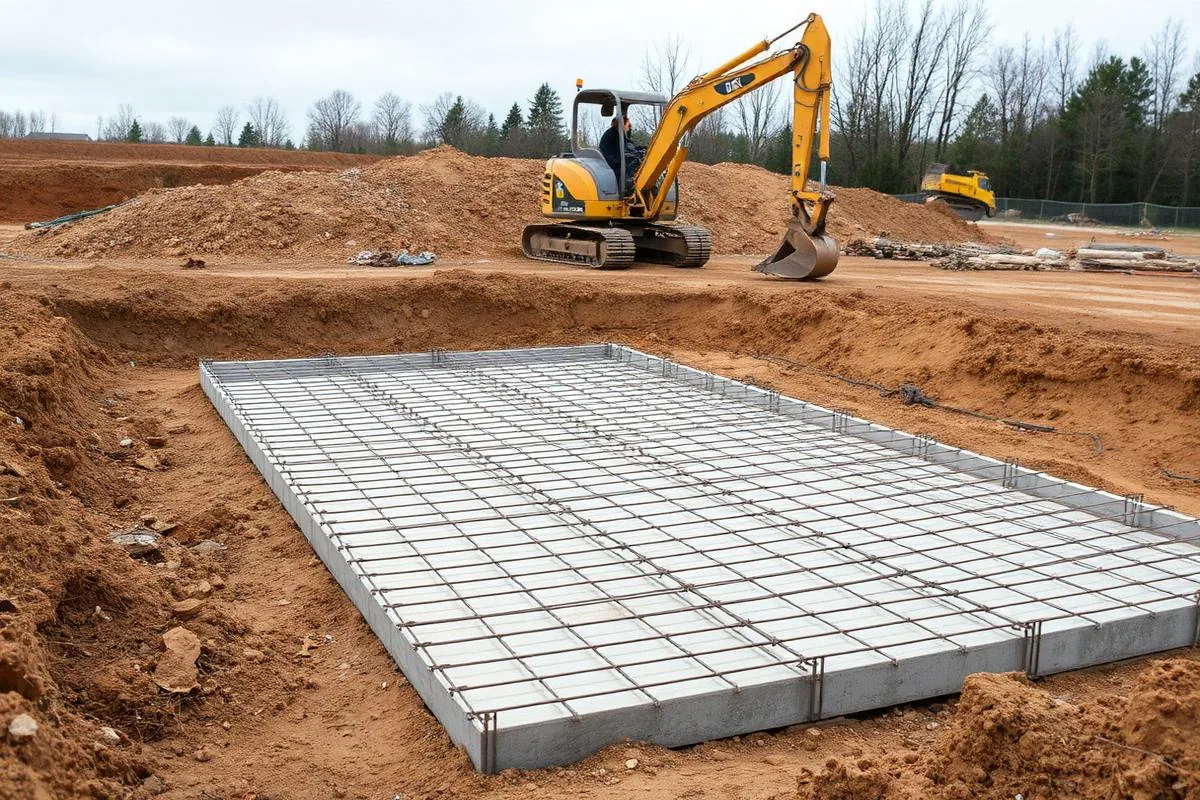
Underground utility strikes, trench collapse, dewatering discharge, formwork and pump operations, and subsidence exclusions.
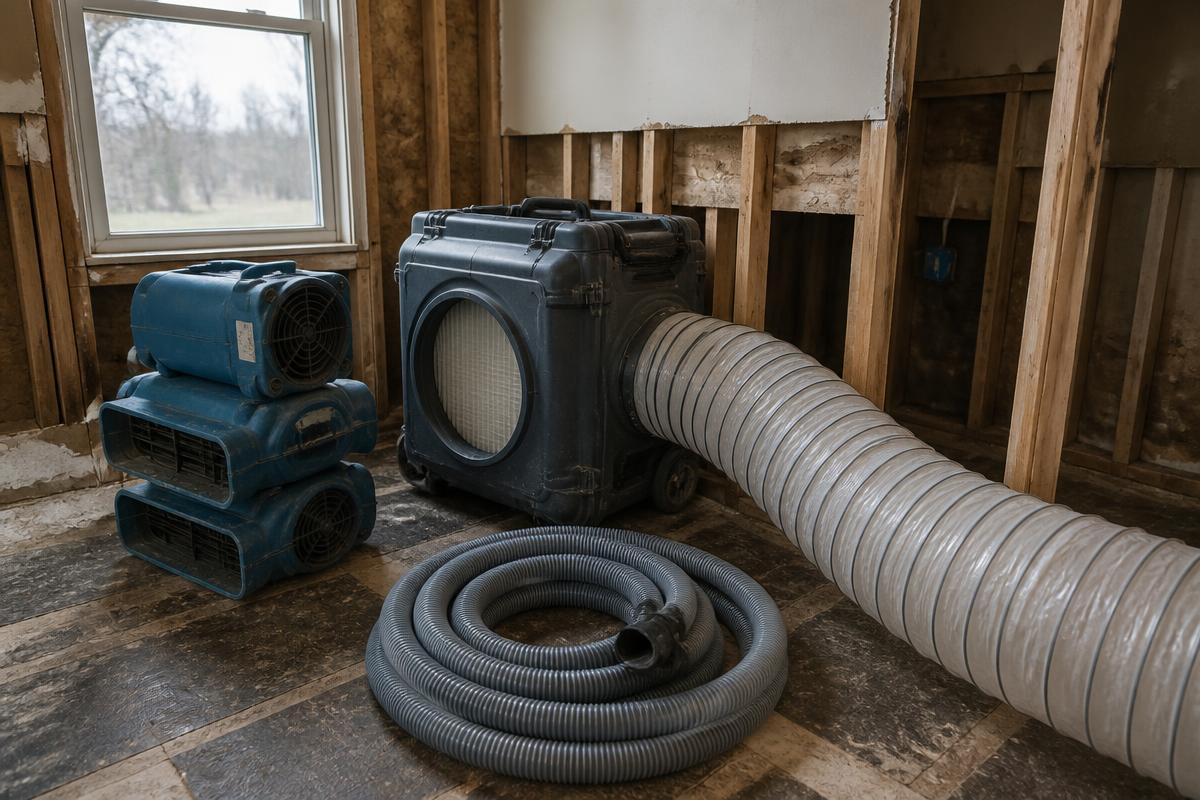
Water and fire mitigation, mold and microbial exposure, customer contents, catastrophe response, specialized equipment, and reconstruction after the loss.
We also work with drywall and interior finish, masonry, painting, landscaping, restoration, and fire protection contractors. If your trade is not listed here, ask. The underwriting questions are usually more similar than they look.
Fit
We work with specialty trade contractors in all 50 states. We are at our best with firms doing between $500,000 and $20 million in annual revenue, generally five to one hundred fifty employees. That is the range where a business has clearly outgrown the policy it started with, and where the difference between an adequate program and a well-built one starts showing up in real dollars.
Carrier relationships that are not limited to one region, and a working understanding of how requirements change when you cross a state line.
Large enough to carry real exposure, small enough that the owner is still the person making the risk decisions.
The right time to start is a full quarter out. It gives us room to market the account properly instead of scrambling.

Residential new construction
General liability for trade contractors working on tract homes, subdivisions, and residential new construction is one of the hardest placements in the market. Most standard carriers restrict or exclude the work outright, which is why so many contractors in this position find that their agent simply cannot help. We work this class through specialty brokers who see it every day, and we know what a builder’s risk department is going to ask for before they ask.
Coverages
A contractor program is a set of policies that have to work together. These are the pieces we look at on every review.
The foundation, and the policy where residential, subcontractor, and completed operations exclusions do the most quiet damage.
Driven by class codes and payroll. The largest line for most trade contractors and the one most often misclassified.
Owned, hired, and non-owned. Driver selection and motor vehicle record discipline affect both pricing and availability.
Usually the least expensive limit you will buy, and increasingly a contract requirement rather than an option.
Inland marine forms covering what general liability and property do not, including material in transit and work installed but not yet accepted.
Course of construction coverage on the project itself, with soft costs and delay considerations that most policies handle poorly.
Refrigerant, fuel, silica, dewatering discharge, and mold. Excluded on general liability, and relevant to more trades than most owners expect.
For contractors who specify, engineer, or design any part of what they install, including design-build and delegated design work.
Wire fraud on progress payments is the claim trade contractors actually see, and it is not covered by a crime policy written for employee theft.
Bid, performance, payment, and license bonds, plus the financial statement work that supports a growing bond program.
Approach
You should not have to explain what a change order is, why your framing payroll and your trim payroll are classified differently, or what happens when a general contractor withholds retainage. We start from the work, and that makes every conversation after it shorter.
Insurance Office of America is one of the largest independent agencies in the country, with roughly 1,500 employees and relationships across the standard, specialty, and surplus lines markets. When a placement is genuinely hard, we have somewhere to go.
A rate comparison tells you what your current policy costs. A coverage review tells you what it does not do. We do the second one first, and if your current program is well built, we will say so.
Resources
Practical answers on contract requirements, coverage gaps, and the claims that create the most trouble for growing contractors.
Contract requirements
Builders reject certificates when the policy behind them falls short. How to read an insurance requirement schedule and fix what it flags.
9 minutes read
Contact
Let’s start with a conversation, not a quote.
A coverage review is a working session. We look at what you carry, what your contracts require, and where the two do not line up. It costs nothing, and it does not obligate you to move anything. If your current program is solid, that is a useful thing to know.
Our team
Our specialty trade contractor practice sits inside Insurance Office of America, one of the largest independent insurance agencies in the country. You work with a producer focused on trade contractors, backed by a dedicated account management team that handles the day to day.

Trade-specific underwriting, classification, and contract experience rather than a general commercial book.
Standard, specialty, and surplus lines markets through one of the largest independent agencies in the country.
A dedicated account management team handling the day to day, so nothing sits waiting on a producer's calendar.
Send us your current policy, including every endorsement, and tell us what your contracts require. We will tell you where the two do not line up. It costs nothing, and it does not obligate you to move anything.
Working with specialty trade contractors in all 50 states, at our best with firms between $500,000 and $20 million in annual revenue.
The information on this page is general in nature and is not a statement of coverage or a contract. All coverage is subject to policy terms, conditions, exclusions, and carrier underwriting. Availability varies by state, class of business, and individual risk.